
History Assignment Help UK
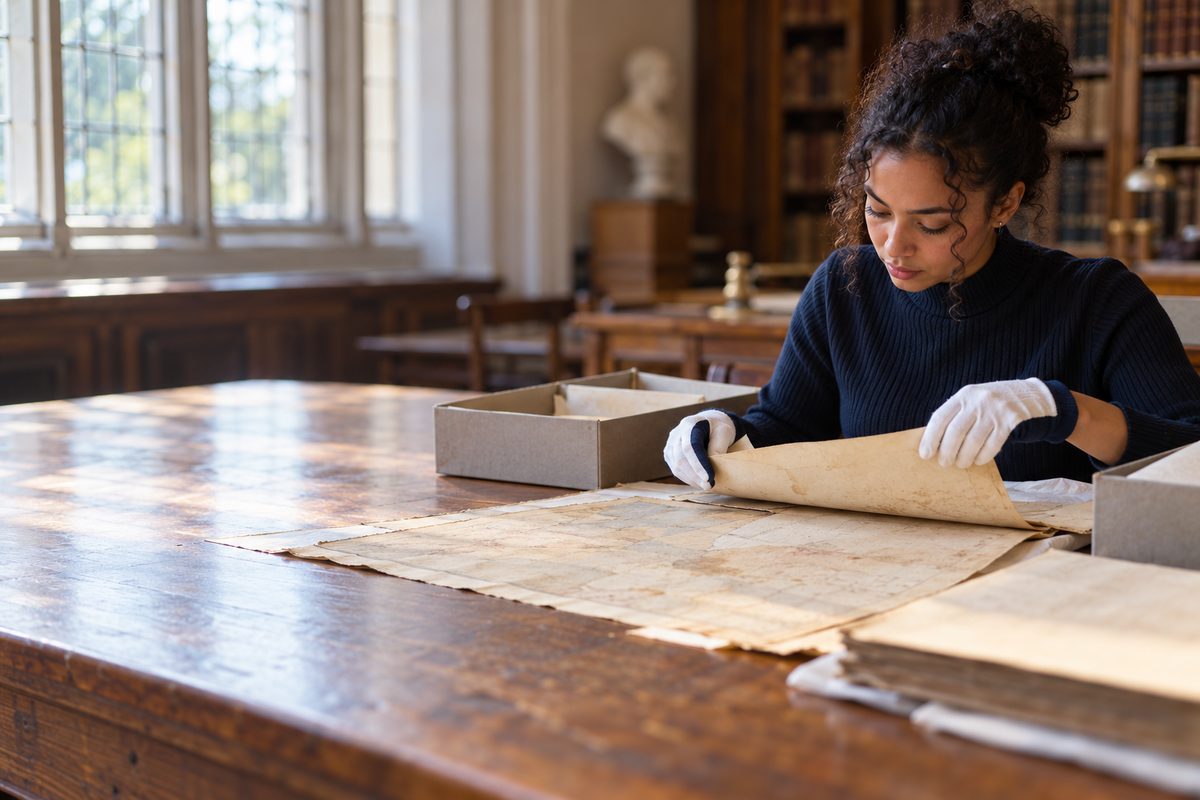
Our history assignment help pairs you with a mentor who has studied history. They help you read the question, weigh your sources and plan an argument. You write the essay yourself, then your mentor gives written feedback on the draft.
Pricing
Enter your level, word count and deadline to see your price before you commit.
| Service | Typical length | Price | Typical deadline |
|---|---|---|---|
| Level 5/6 case study or report | 1,000–2,000 words | from £9.99 per 100 words | 2–3 working days |
| Master's / MBA assignment | 1,500–3,000 words | from £13.99 per 100 words | 3–5 working days |
| Draft feedback and referencing check | Up to 3,000 words | from £9.99 per 100 words | 2–3 working days |
What our history assignment help covers
Support follows your brief, whatever the task.
Essays and source questions
We help you break the question into parts, choose evidence and test your argument. For source questions, we show you how to question a document instead of retelling it.
Dissertations and research projects
A mentor helps you narrow a topic, find archives and digitised collections, and plan chapters. You research and write each chapter. See also dissertation writing help.
Presentations, exams and reading lists
Plan a seminar talk, practise timed essay plans from past papers, or learn how to read a monograph for its argument.
Themes we support include:
- British, European and world history
- Social and cultural history, including gender and migration
- Political, economic and imperial history
- Historiography and research methods
How it works
Step 1: Send your question and criteria
Tell us your level, exam board or university, deadline and reading list. Attach the question and marking criteria.
Step 2: Get a quote and a matched mentor
We reply with a quote and match you with a mentor who knows your period or theme.
Step 3: Plan, then write your draft
Your mentor helps you plan the argument and choose sources. You write the draft in your own words.
Step 4: Feedback, then your own final version
Your mentor comments on argument, evidence and referencing. You revise and submit your own work, following your school or university rules.
The full process is on our how it works page.
Who this help is for
A level students
Help with general skills such as judging an interpretation or building a timed answer. Exam board rules limit what help is allowed on assessed coursework, as set out below.
Access to HE learners
Many learners return to study after years away. A mentor explains how to read academic history, take notes you can use and write a clear paragraph.
Undergraduates and joint-honours students
Seminar essays, source commentaries and dissertations, with feedback against your department's criteria.
History essay help
History essays are marked on argument first and detail second.
Turning the question into an argument
Underline the command word and the key terms. State your answer in one sentence before you plan. Every paragraph should then carry that answer forward.
Causes, change and significance
For cause questions, separate long-term from short-term factors and judge which mattered most. For change questions, consider pace, extent and what stayed the same.
Introductions and conclusions
A good introduction defines the terms, sets the debate and states your answer. A good conclusion weighs the factors and gives a judgement. Our guide to restating a thesis helps with the ending.
History coursework help
Coursework rewards independent research and honest handling of sources.
Source analysis
Warwick's history department asks students to consider who wrote a source, when, why, for whom and with what limits. A mentor shows you how to turn those questions into paragraphs.
Historiography
Historians disagree because they ask different questions and use different evidence. Learn to name the schools of thought, compare them and place your own view among them.
A level non-exam assessment
AQA's A level History investigation must be independently researched and written by the student. Teachers give only general guidance. We do not plan, draft or comment on your investigation. Ask your teacher what is allowed.
How to write a history essay
Use this order, then adapt it to your question.
- Answer the question in one sentence
- Plan three or four paragraphs, each with one claim
- Open each paragraph with the claim, then give dated evidence
- Analyse the evidence: what does it show, and how far?
- Link back to the question before you move on
- Finish with a judgement, not a summary
Footnotes and bibliography
Many history departments use footnotes. Warwick recommends MHRA and says to use one recognised style throughout, with a bibliography listed by surname. Check your handbook.
Finding sources
The National Archives' Discovery search lists records held at Kew and elsewhere. Your library may also give access to digitised newspapers and journals.
History homework help
Homework tasks are shorter, so the habit matters more than the length.
Reading for the argument
After each chapter, write two lines: what the author claims and what evidence supports it. Those notes feed straight into essays.
Short answers and timelines
Give a date, a cause and an effect in each answer. A simple timeline helps you see which event came first.
Worked example: questioning one source
This invented source shows the method, not a model answer. It is an 1842 report by a factory inspector on child labour in a mill.
| Question | Notes on the source | Why it matters |
|---|---|---|
| Origin | Written by a government inspector after one visit | He saw only what the owner showed him |
| Purpose | To persuade a parliamentary committee to act | Examples may be chosen to shock |
| Audience | Politicians who had never visited a mill | Language is formal and selective |
| Limits | One mill, one day, no worker's voice | Needs other sources to test the claim |
A weak line says: 'The report shows that conditions were terrible.' A stronger line says: 'The report suggests concern in parliament, but one visit limits what it can prove about conditions in general.'
Common mistakes in history assignments
- Telling the story without answering the question
- Quoting a source at length without analysing it
- Naming historians without comparing their views
- Using vague phrases such as 'in those days' instead of dates
- Switching footnote styles halfway through
Related modules
Your course may sit next to these subjects. Each page has its own guidance:
- Literature and criticism: English literature assignment help
- Social theory: sociology assignment help
- Place and environment: geography assignment help
- Argument skills: guidelines for writing critical analysis
Meet our history mentors
Nadia Farooq (CIPD Level 5; MSc Human Resource Management): Nadia supports learners with HR qualifications, reflective assignments and practical workplace examples. Her approach focuses on clear structure, relevant evidence and professional tone. George Whitaker (HND Business; BTEC Level 5 Diploma): George helps vocational learners interpret assessment criteria, organise evidence and connect coursework to workplace practice. He aims to make complex instructions straightforward and actionable. Confirm profile details and written consent before publishing.
Free guides to help you
- Planning an essay? Read our essay writing tips
- Reflecting on a project? See how to write a reflective essay
Get a free quote
Tell us your level, question and deadline. Attach your marking criteria and reading list if you can.
All our work is for guidance and reference. You must write and submit your own work, in line with your school or university's academic integrity rules. Read our academic integrity policy.
Sources
- AQA, A level History Component 3: historical investigation (non-exam assessment)
- University of Warwick History, Preparing a primary source analysis
- University of Warwick History, Referencing
- University of St Andrews Library, MHRA footnotes
- The National Archives, Help with your research
Frequently asked questions
What does your history assignment help include?
Guidance on the question, a plan, written feedback on your draft and a referencing check. You write the assignment yourself.
How do I structure a history essay?
Answer the question in one sentence, then build each paragraph around one claim with dated evidence and analysis. End with a judgement that weighs the factors.
What counts as a primary source?
A document, object or record created at the time you are studying, such as a letter, a report or a newspaper. Later books and articles are secondary sources.
Can I get help with history coursework?
Yes, with general skills. For A level non-exam assessment, the work must be your own and teachers give only general guidance, so we keep to those limits.
Which referencing style do you check?
Usually footnotes in MHRA or Chicago style, or Harvard if your department asks for it. Check your handbook first.
Can you promise a grade?
No. Nobody can promise a mark. We show you how markers reward argument and evidence, so you can improve your own work.
How much does history assignment help cost?
Your price depends on level, word count and deadline. Use the price calculator above to see it before you commit. Prices start from £9.99 per 100 words for undergraduate work, rising to £17.99 per 100 words at PhD level.
How quickly can you help?
Send your question and deadline, and we will confirm whether we can give feedback in time. We aim to reply to every enquiry within 24 hours and confirm the delivery time for your brief once we have seen it.
Is my information confidential?
Yes. We treat your question, draft and personal details as confidential and use them only to match you with a mentor and give feedback. Only the specialists and support staff who need your files to help you can see them.
Is this kind of help allowed at my school or university?
Many allow tutoring and feedback, but rules differ. Check your exam board or university policy, and always submit your own work.
Do you help with dissertations?
Yes. We help you narrow a topic, plan chapters and improve your own drafts. You research and write the dissertation.